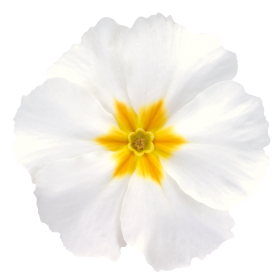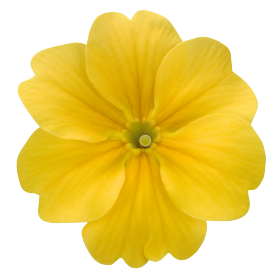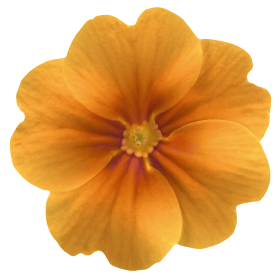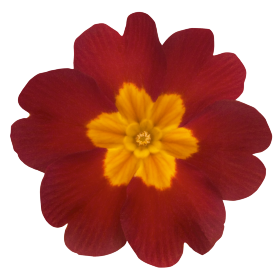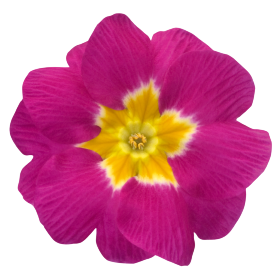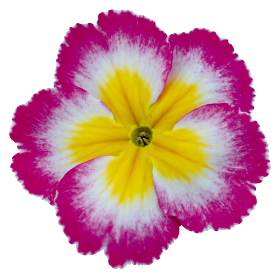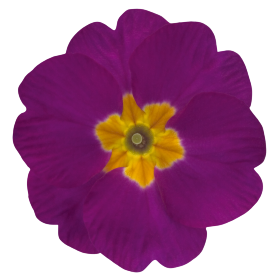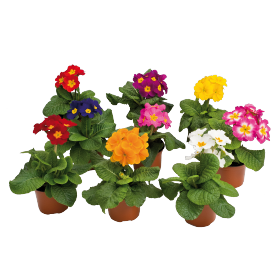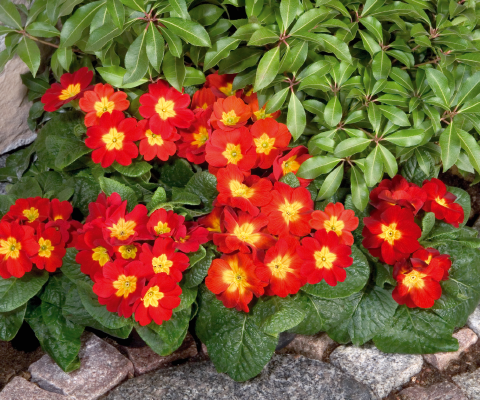
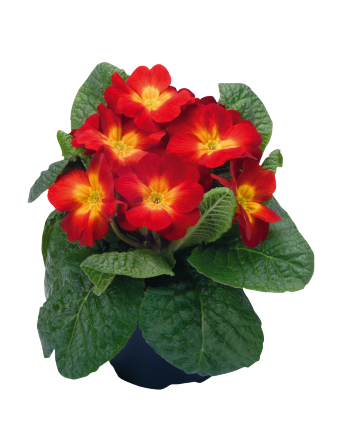
Piano Fire
Item no.: PE1105R- Bred for fall and spring production
- Less chilling requirements allow greater versatility
- Extremely uniform in plant habit and flowering across the series
- Plants remain compact, even under heat
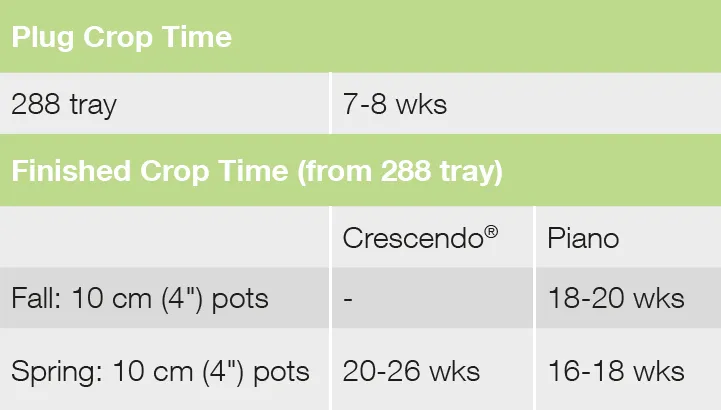
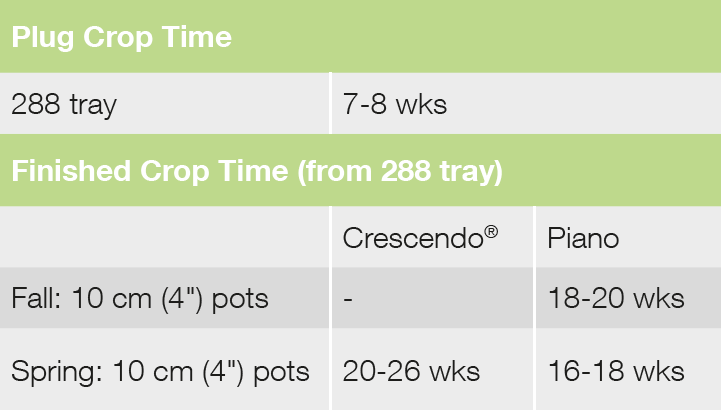
- Crop Time
- Spring: 22 - 28 weeks , Autumn: 24 - 28 weeks
- Height ∅
- 8 ″ / 20 cm
- Width ∅
- 7 ″ / 18 cm
- Exposure
- Sun - Partial shade
- Seed Form
- Raw Seed
- Product Use
- Pots, Mixed Containers, Landscape, Bedding
- Family, Origin
- Primulaceae, Europe
- Minimum Germ. Rate
- 85%
Technical Guide
Flowering Type: Facultative long day plant. Long day treatment will enhance flowering.
Flowering Mechanism: Maturity of the plant having 6-8 true leaves and irradiance, with light levels of 12-14 mol/m2/day and long days will trigger flowering.
Germination: Maintain optimal conditions for seedling development, should begin on the day of sowing until root emergence. Expect root emergence in 6-8 days from sowing.
Cover: Cover the seed lightly with a thin layer of medium vermiculite to maintain optimum humidity levels around the seed.
Sowing method: 1 seed per plug.
Media: pH 5.5-5.8; Use a porous well drained media low in soluble salts. EC < 0.5. Primula are very sensitive to high soluble salts in the media.
Temperature: Maintain 18-19 °C (64-66 °F) Temperatures above 21 °C (70 °F ) will reduce germination rates.
Once the cotyledons are fully expanded the temperature can be reduced to 16‑17 °C (60‑62 °F) to prevent stretch.
Moisture: Begin with a saturated (5) for the first 7-8 days and then gradually reduce the moisture level to a wet (4) once all of the seeds have finished germination. When watering re-saturate to a saturated (5) for the first 11 days. Thereafter alternate between a moisture level wet (4) and moist (3) until day 25. After day 25 the moisture level can be decreased to a medium (2) between watering.
Humidity: 95‑100 % until day 11, then reduce to 40‑60 %. Provide proper ventilation and horizontal airflow to improve oxygen levels in the media. If using a germination chamber it is critical to maintain a high humidity near 100 % until all seeds have germinated. When the seedling trays are removed from the chamber make sure to maintain a high humidity level.
Light: Light is not necessary for germination but can be beneficial if using a germination chamber. Providing a light source of 10‑100 ft. candles (100‑1,000 lx) will reduce stretch and improve quality. When moving seedlings into the greenhouse keep the light levels at 4‑6 mol/m2/day (15,000‑20,000 lx).
Fertilizer: Maintain an EC < 1.0. The EC of the fertilized water should not exceed 0.5.
Plug Bulking and Flower Initiation: Maintain optimal conditions during the vegetative stage from cotyledon expansion to flower initiation. When the seedlings root to the edge of the plug and reach the 6-8 true leaf stage, flower initiation will occur.
Media: pH 5.5-5.8; The pH needs to be kept below 6.0. At a higher pH of > 6.2 iron and manganese may become deficient. EC 1.0-1.2.
Light: 8-10 mol/m2/day (25,000-30,000 lx). As plants mature to the 6-8 true leaf stage the light levels can be increased further to 12-14 mol/m2/ day (35,000-40,000 lx). Avoid direct sunlight since damage can occur as a result.
Temperature: Maintain 16-18 °C (60-64 °F) until seedlings are rooted to the bottom of the plug. Then the temperature can be lowered to 12-15 °C (54-58 °F) to tone the plants.
Moisture: Alternate between a moist (3) and a medium (2). Allow the soil to reach a medium (2) before re-saturating to a moist (3).
Fertilizer: Begin feeding early, on day14, using a complete fertilizer such as a 17-5-17, 14-4-14 or 15-5-15 at 50-60 ppm. The fertilizer levels can be gradually increased to feeding every second or third watering at 100 ppm when the plants reach 21 days.
Growth Regulators: No growth regulators should be necessary.
Fungicides: Use of a preventative fungicide is recommended to control soil born diseases. Use the rates recommended on the label.
Media: pH 5.5-5.8; use a porous, well drained media; EC 1.2-1.5.
Light: Provide 12-14 mol/m2/day (35,000-40,000 lx) for the fastest finish.
Temperature: For the first two to three weeks after transplanting or until the roots reach the bottom of the pot begin with 12-13 °C (54-56 °F). When plants are well established the temperature can be lowered to 7-9 °C (45-48 °F) for 4-6 weeks. The temperature can also be alternated between 10-12 °C (50-54 °F) days and 1-2 °C (34-36 °F) nights. In the final stages of finishing the crop for spring grow at 12-14 °C (54-57 °F). Temperatures above 16 °C will decrease plant quality and result in smaller, lighter colored flowers. Flowering pots can be stored in a cold storage room for 4 weeks at 0.5-2 °C (33-36 °F).
Moisture: Alternate between moisture levels wet (4) and medium (2). Water thoroughly periodically to even up the crop and then begin to dry plants back with spot-watering.
Humidity: 40-60 % humidity is ideal. Providing good ventilation and horizontal airflow will help lower the humidity and dry back the media, providing oxygen to the roots.
Fertilizer: During the finishing stages additional potassium is beneficial for flower development. Finish plants with an N:K ratio of 1:3. In cool weather, maintain low ammonium levels to avoid excessive leaf expansion and vegetative growth. Alternate between nitrate based and calcium based fertilizers (12-4-20 at 100-150 ppm and 14-4-14 at 100-150 ppm). An occasional clear watering every third or fourth watering will help to keep salt levels down.
Growth Regulators: With proper temperature and moisture management there should be no need for growth regulators. If needed apply B-nine (daminozide) as a spray at 2,500 ppm.
Fungicide: Apply fungicides during long periods of low light and high humidity.
Common Diseases: Ramularia and botrytis. Provide adequate ventilation and air circulation between plants.
Pests: Primarily aphids, cutworms, whitefly, fungus gnats, shore fly, leafminer and thrips.
Post Harvest: Fertilize with potassium nitrate at 100 ppm 1-2 weeks prior to shipping.
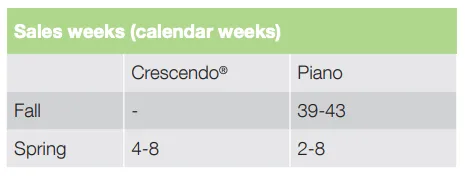
Expert Tip
It should be noted that Primula are very sensitive to high soluble salts in the media. Keep them on a low level. Primula can be perfectly used in mixed combinations with Pansy and Viola. Eye-catching color combinations for spring or fall can be created.
Moisture Codes
| Saturated (5) | Water is easily observed when finger is pressed on cell. Water moves freely from the top of the plug to the bottom. |
| Wet (4) | Media looks black and is not glistening. The media feels wet to the touch but there is very little water movement. |
| Moist (3) | Water is not easily visible. When finger is pressed on the cell there is very little movement from top to bottom. |
| Medium (2) | Media is not black, but now looks medium brown. There is no water movement when pressed with finger. |
| Dry (1) | Media has changed color to a very light brown and is dry to the touch. |
All information in our technical guide is based on our own trials and would therefore be as guideline only. Detailed cultivation aspects vary depending on climate, location, time of year and environmental conditions. Benary expressly disclaims any responsibility for the content of such data/information and makes no representation or warranty for the cultivation of any products listed. It is recommended that growers conduct a trial of products under their own conditions.