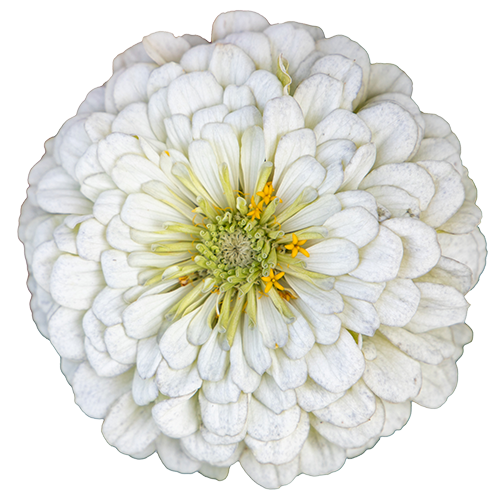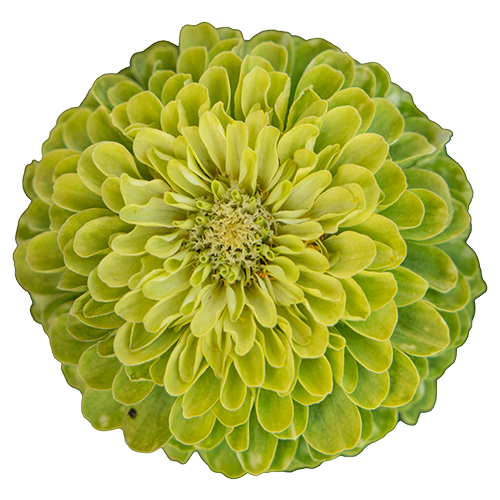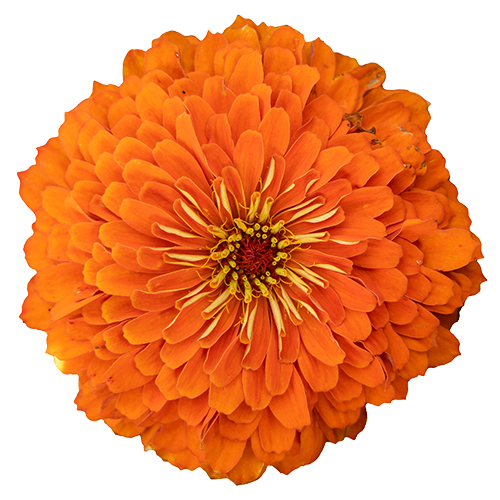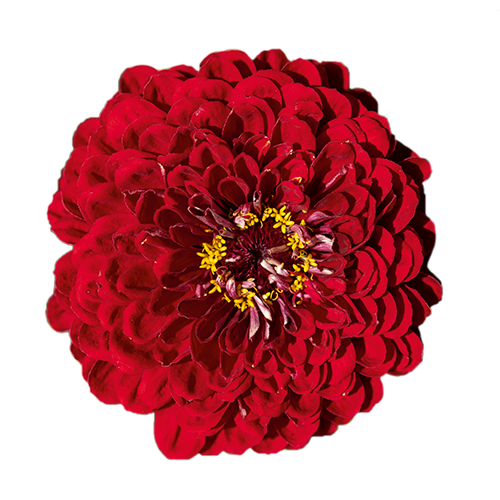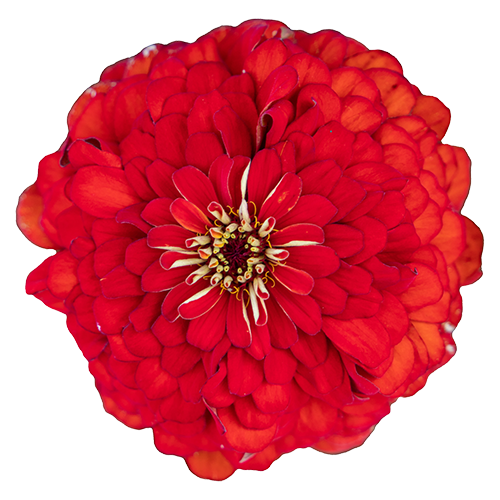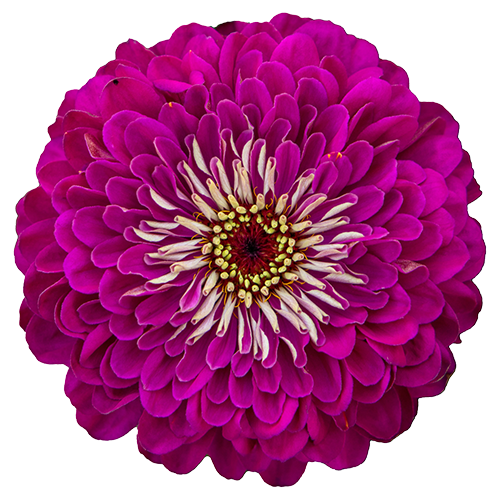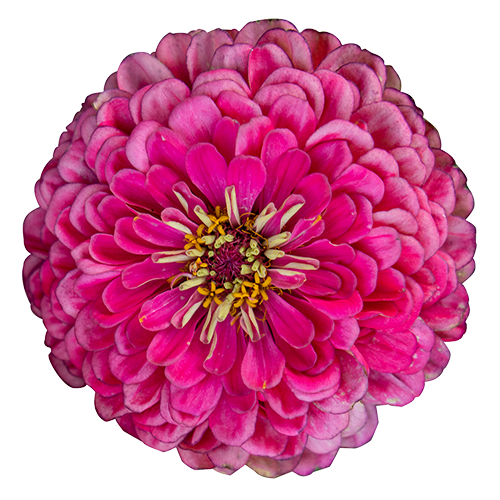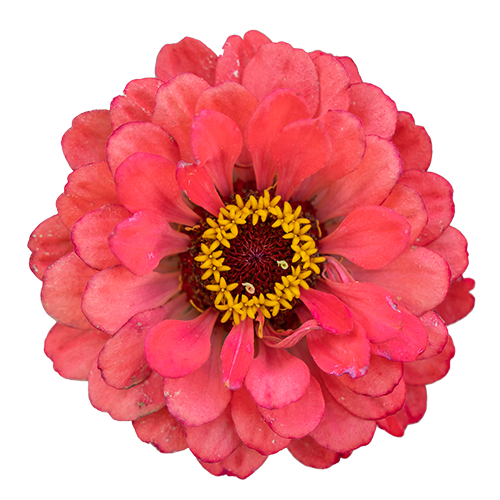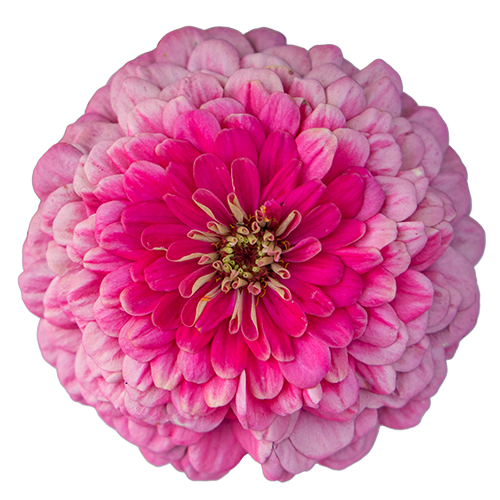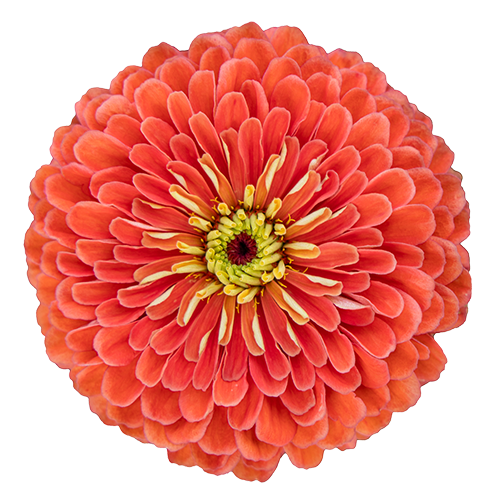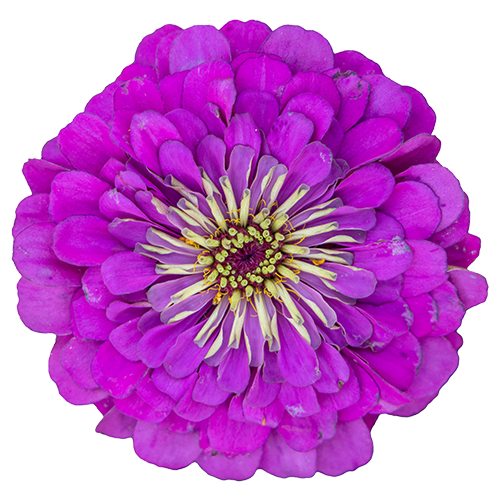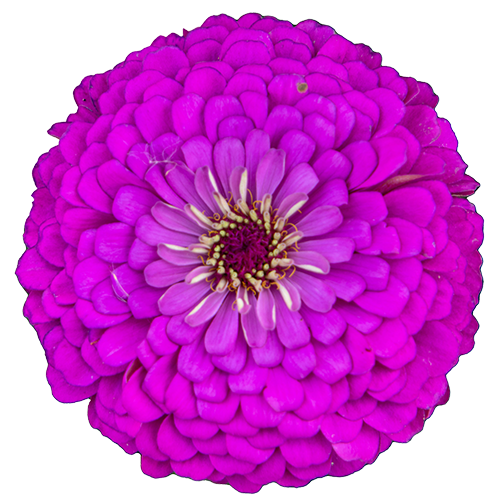
Benary's Giant Golden Yellow
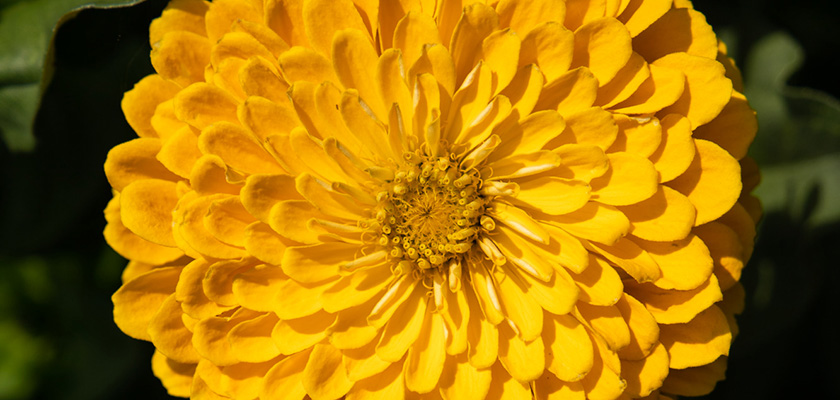
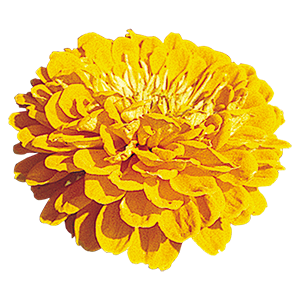
Item no.: ZE0405R- Fully double, large flowers on long sturdy stems
- Perfect for outdoor cut flower production
- Long vase life
- A proven name in cut flower business

- Crop Time
- Spring: 9 - 11 weeks
- Height ∅
- 43 ″ / 110 cm
- Flower Size ∅
- 5 ″ / 12 cm
- Exposure
- Sun
- Seed Form
- Raw Seed
- Product Use
- Pots, Mixed Containers, Bedding, Cutflower, Landscape
- Family, Origin
- Asteraceae, Mexico / Central America
- Minimum Germ. Rate
- 85 %
Technical Guide
Flowering Type: Facultative short day plant – the plants will flower under all day lengths, but you can expect earlier flowering under short days.
Flowering Mechanism: High light intensity and warm temperatures will shorten the total crop time.
Germination: Optimum conditions for seedling development, beginning on the day of sowing until radicle emergence. Expect radicle emergence in 3-5 days.
Cover: Cover the seeds with vermiculite or substrate after sowing.
Sowing method: 1 seed per plug. Can be directly sown into the ground for field production.
Media: pH 5.8-6.2; EC 0.5-0.75.
Temperature: 21-24 °C (70-76 °F) for the first week, reduce to 20 °C (68 °F) afterwards. When the roots reach the bottom of the cell, the temperature can be lowered to 18 °C (64 °F). Temperatures below 12 °C (54 °F) will result in slow and uneven germination.
Moisture: Begin with a wet (4) until radicle emergence. Afterwards, alternate between a wet (4) and a moist (3).
Humidity: 95‑100% until radicle emergence, then reduce to 40‑60%. Provide proper ventiliation and horizontal airflow to improve oxygen levels in the media.
Light: Light is not required for germination. Supplemental lighting and light levels of 1,000‑ 2,500 ft. candles (10,000‑25,000 lx) improves the seedling quality, but keep the day length below 12 hours for optimal results.
Fertilizer: Fertilized water should not exceed an EC of 0.5. Begin fertilizing early on day 5 using a complete balanced fertilizer at 50‑75 ppm N. When the plants are well established, maintain an EC of 0.8‑1.2 by feeding 100‑175 ppm per spray. Avoid high ammonium levels.
Plug Bulking and Flower Initiation: Optimum conditions during the vegetative stage from cotyledon expansion to flower initiation. This stage is when the seedlings root to the edge of the plug. Do not hold the plugs after this stage to avoid premature flowering.
Growth Regulators: Sprays of B‑nine (daminozide) at 2,500 ppm or sprays of paclobutrazol after cotyledon expansion can help control stretch in the plug.
Fungicides: Preventative applications of fungicides are recommended under cooler conditions and low light levels.
Media: pH 5.5-6.0; EC 1.5-2.0
Light: As facultative short-day plant, keep the days short for early flowering. Day lengths above 14 hours help avoiding premature flowering. High light levels will shorten the crop time and produce the best quality. Light levels of 3,000-4,500 ft. candles (30,000-45,000 lx) are recommended.
Temperature: For cut flowers, ensure 16-20 °C (60-68 °F) during nights, 20-22 °C (68-72 °F) during days. An ADT (average daily temperature) of 21 °C (70 °F) will give the fastest finished crop and long stems for cutting. For "Zinnita" as pot item, it is recommended to cultivate cooler at 16-18 °C (60-64 °F) to keep the plants compact and well-branched. Harden off the plants at 12-14 °C (54-58 °F) before selling. In general, Zinnias tolerate high temperatures, but no frost or temperatures below 10 °C (50 °F).
Moisture: Alternate between moisture levels wet (4) and medium (2). Allow the media to reach a medium (2) before re-saturating to a wet (4). High moisture levels or overwatering can cause botrytis.
Humidity: 40-60 % humidity is ideal. Providing good ventilation and horizontal airflow will help lower the humidity and dry back the media.
Fertilizer: Moderate fertilization levels are required. Fertilize the crop weekly at 100-150 ppm N, using a complete balanced fertilizer. Avoid high ammonium levels. For cut flower production, attention must be paid to nitrogen as a high level will result in soft stems that break off below the flower. Prevent magnesium deficiency.
Growth Regulators: For pot production, apply B-Nine (daminozide) at 1,500-3,500 ppm N per spray one week after transplanting. Early applications will help control stretch, but wait for 2 weeks before next application. Later on, applications of Bonzi (paclobutrazol) as a spray at 5 ppm can also be used. Adjust PGR rates and frequency of application depending on local conditions and temperatures.
Fungicides: Apply fungicides during long periods of low light, cool temperatures and high humidity.
Common Diseases: Powdery mildew, leaf spots, botrytris, phytium.
Pests: Thrips, whiteflies, aphids, leaf miners.
CUT FLOWER
Planting: Transplant to the field once the danger of frost has passed. The space between the plants depend on the variety. Apply ground cloth or plastic mulch to control weed and prevent dirt from splashing back up on foliage. Plant the seedlings every two to three weeks to ensure a continuous harvest once flowering begins.
Harvest: Fresh cut flowers are ready to harvest once flowers have started to open. Harvest during cooler temperatures, early in the morning or late in the evening. It will take about three to four weeks for the plants to branch and flower again for the next harvest.
Post Harvest: For fresh cut flower production, store in clear water or water treated with a floral preservative solution. The stems will have to be recut later.
Dried Flowers: Harvest the flowers when they are fully open. Remove the foliage and stems and dry them under warm temperatures.
Plug Crop Time
288 tray: 3–4 weeks
Finished Crop Time (from 288 tray)
17–19 cm (7–8") pots (2–3*): 5–6 weeks
20-25 cm (8-19"( pots (3-4*): 9-10 weeks
* plugs per pot
Moisture Codes
| Saturated (5) | Water is easily observed when finger is pressed on cell. Water moves freely from the top of the plug to the bottom. |
| Wet (4) | Media looks black and is not glistening. The media feels wet to the touch but there is very little water movement. |
| Moist (3) | Water is not easily visible. When finger is pressed on the cell there is very little movement from top to bottom. |
| Medium (2) | Media is not black, but now looks medium brown. There is no water movement when pressed with finger. |
| Dry (1) | Media has changed color to a very light brown and is dry to the touch. |
All information in our technical guide is based on our own trials and would therefore be as guideline only. Detailed cultivation aspects vary depending on climate, location, time of year and environmental conditions. Benary expressly disclaims any responsibility for the content of such data/information and makes no representation or warranty for the cultivation of any products listed. It is recommended that growers conduct a trial of products under their own conditions.