09/18/2026
From Seed to Showcase: Behind the Scenes of Benary’s Summer Garden
For the last five years, Benary has planted a Summer Garden at its headquarters in Hann. Münden, Germany.
But it’s not your typical backyard flower garden—it serves as Benary’s living catalog, showcasing the company’s entire plant portfolio alongside potential new additions for the next two years. It gives customers a direct, honest look at what’s coming

Amelie Merschmann
“The Summer Garden is getting more and more important for us as a company every year,” says Amelie Sophie Merschmann, Global Product Manager for Benary.
“It’s critical for us to have that honest communication and interaction with our customers, and spend quality time with them.”
Open from mid-June until the end of September, the garden has become a destination in its own right. It draws visitors from around the world who come to see plants firsthand, compare varieties, and get a preview at what’s next for Benary.
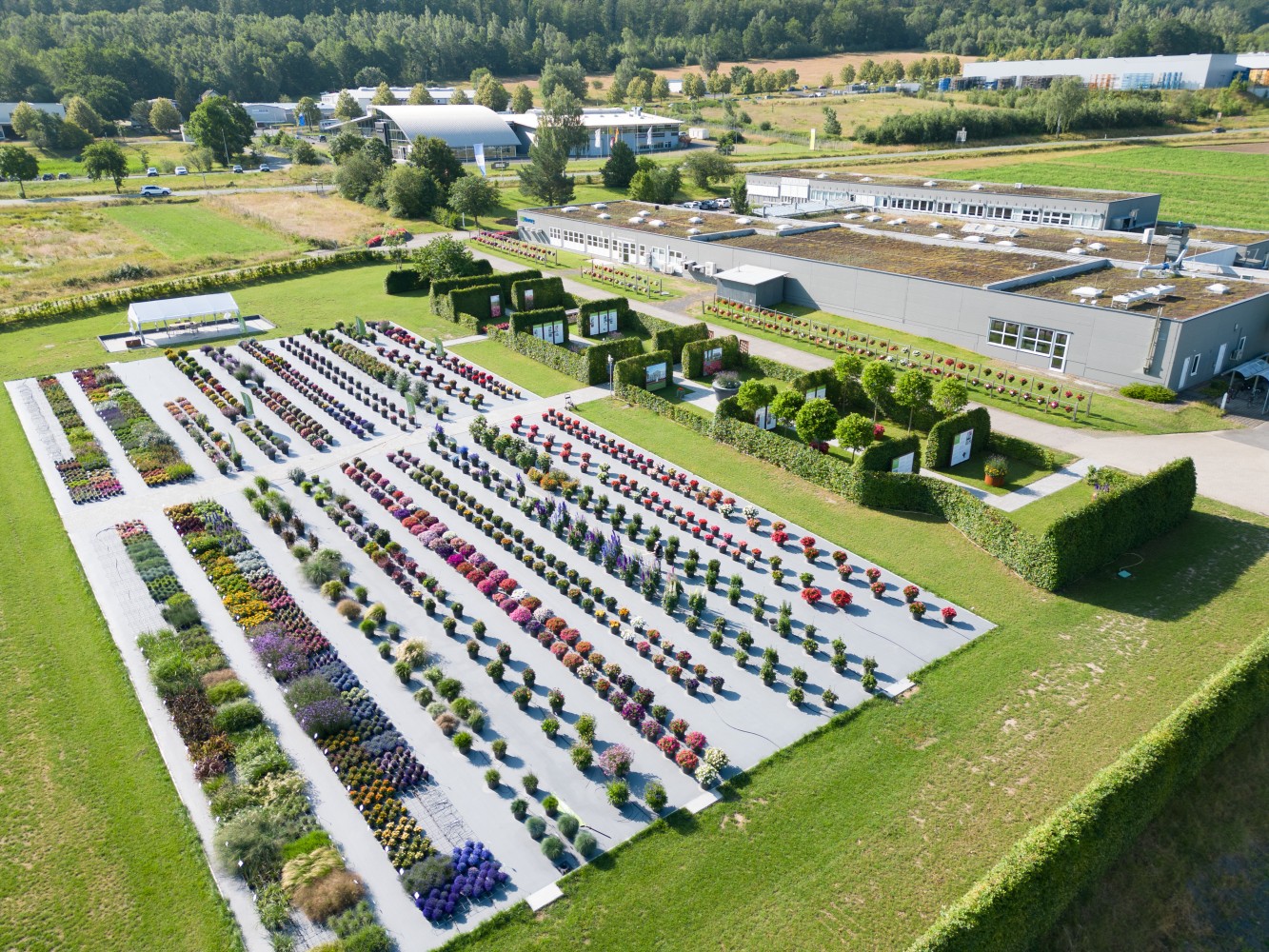
Benary's Summer Garden had more than 600 varieties on display this year.
The Planning Process
The Summer Garden is no easy undertaking—planning starts in the fall, directly after the garden closes to the public. Merschmann oversees the garden planning from A to Z, and she says the turnaround is quick from one season to the next.
In the winter, all the sample seeds need to be ordered and the space planning begins. Determining how much space to allocate to each variety and how many varieties can be shown is a collaborative effort across the company.
“We start in the nursery with sowings and transplantings, continue into marketing with the preparation of labels, trial books, and planners, and finalize with sales on walkthroughs and tours,” Merschmann says.
Generally, the garden is divided into eight parts, each one highlighting a Benary’s novelties in a key crop: begonias, pentas, lobelias, and more.
While the garden is a valuable tool for customers, it’s just as valuable an educational tool for Benary’s internal colleagues. Once it’s set up, internal tours are offered and company departments meet for internal discussions right in front of the plants—an internal global sales event even takes place every year.
“From the planning to the summer opening, it’s a lot of work for us,” she says. “But it’s worth the effort and the money to see how our colleagues and customers appreciate the garden.”
The Summer Garden Selection
Choosing which varieties make it into The Summer Garden depends on a few different factors.
More than 600 varieties were on display at the 2026 Summer Garden, and a few stood out. As the market leader in begonias, that is always one of the most popular segments for Benary.
“Even late in the season—mid-September—the begonias look amazing,” Merschmann says. “We actually don’t want to close the garden because they look so good, but some crops start to struggle due to the weather.”
In addition to begonias, visitors often spend a lot of time looking at Benary’s novelties. The Summer Garden walkthrough actually begins with novelties, so customers can see what they look like and how they perform.
While the tried-and-true favorite varieties make it into the garden consistently, a few change from year to year.
“It really depends on new introductions for the next two years,” Merschmann says. “We want to include all potential introductions for the next two seasons, and we also want to include comparison varieties from our competitors.”
This allows Merschmann to do a direct comparison between Benary’s varieties and the competition—she can easily talk about the differences, advantages, and disadvantages. “It’s a very honest trial,” she adds.

Customers can spend an entire day (or two) walking through the Summer Garden, talking to a sales rep about each variety in detail.
Who Can Visit the Summer Garden?
“It’s open to everyone,” Merschmann says. “Our main visitors are young plant companies, seed brokers, and the occasional retailer. My sales colleagues invite their customers and plan their visits.”
These visitors aren’t only local, either. People from all over the world come to visit, as it’s completely different from a trade show or a flower trial.
“At a trade show, you only have 10 to 20 minutes to see the plants, and it really is like a show,” she explains. “The Summer Garden shows the truth. It shows the early stages of the plants, the later stages of the plants, and has more than 600 containers on display.”
At the garden, customers can spend an entire day or two walking through the entire garden, variety by variety, talking to a sales rep about each one in detail.
Looking Ahead
Now that the 2026 Summer Garden has officially closed, Merschmann is already thinking about the 2027 season. Based on what she saw this summer, three trends caught her eye: low-maintenance plants, heat tolerance, and the plants’ staying power from early to late in the season. All three reflect what growers and retailers are asking for as weather patterns become less predictable and customers want plants that get results with less upkeep.
Those trends will shape which varieties make the cut next year, but the process behind the garden won’t change. Come fall, Merschmann and her team will start the cycle all over again: ordering seeds, planning space, and preparing for another season of showing what Benary has to offer.
Whatever changes from year to year, one thing stays the same: giving customers an honest first look at what comes next.